CASE STUDY
PREPARING FOR AN EARTHQUAKE IN JAPAN


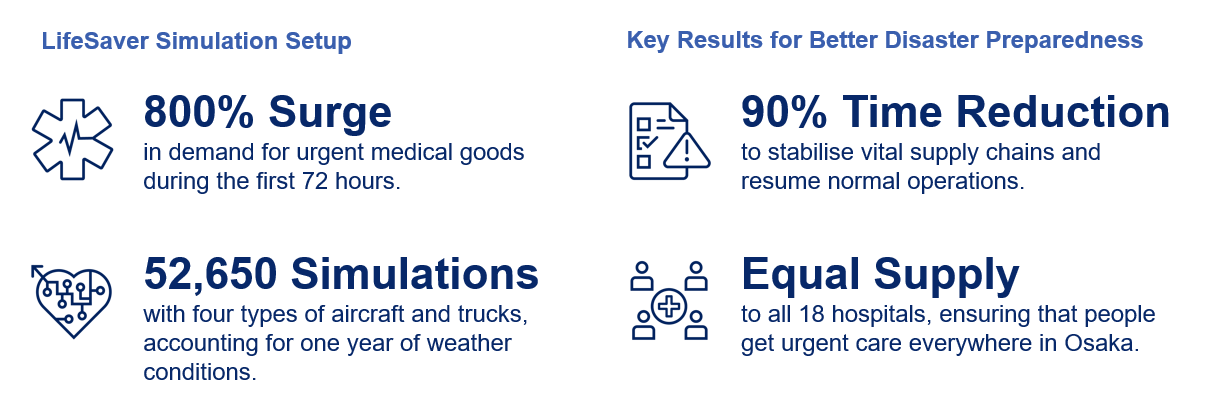
LifeSaver and its local partners, Mitsubishi Logistics and Medisket, have worked with the City and Prefecture of Osaka in Japan to design an efficient medical logistics network that can keep vital supply chains working even after a large earthquake and a tsunami.
SITUATION
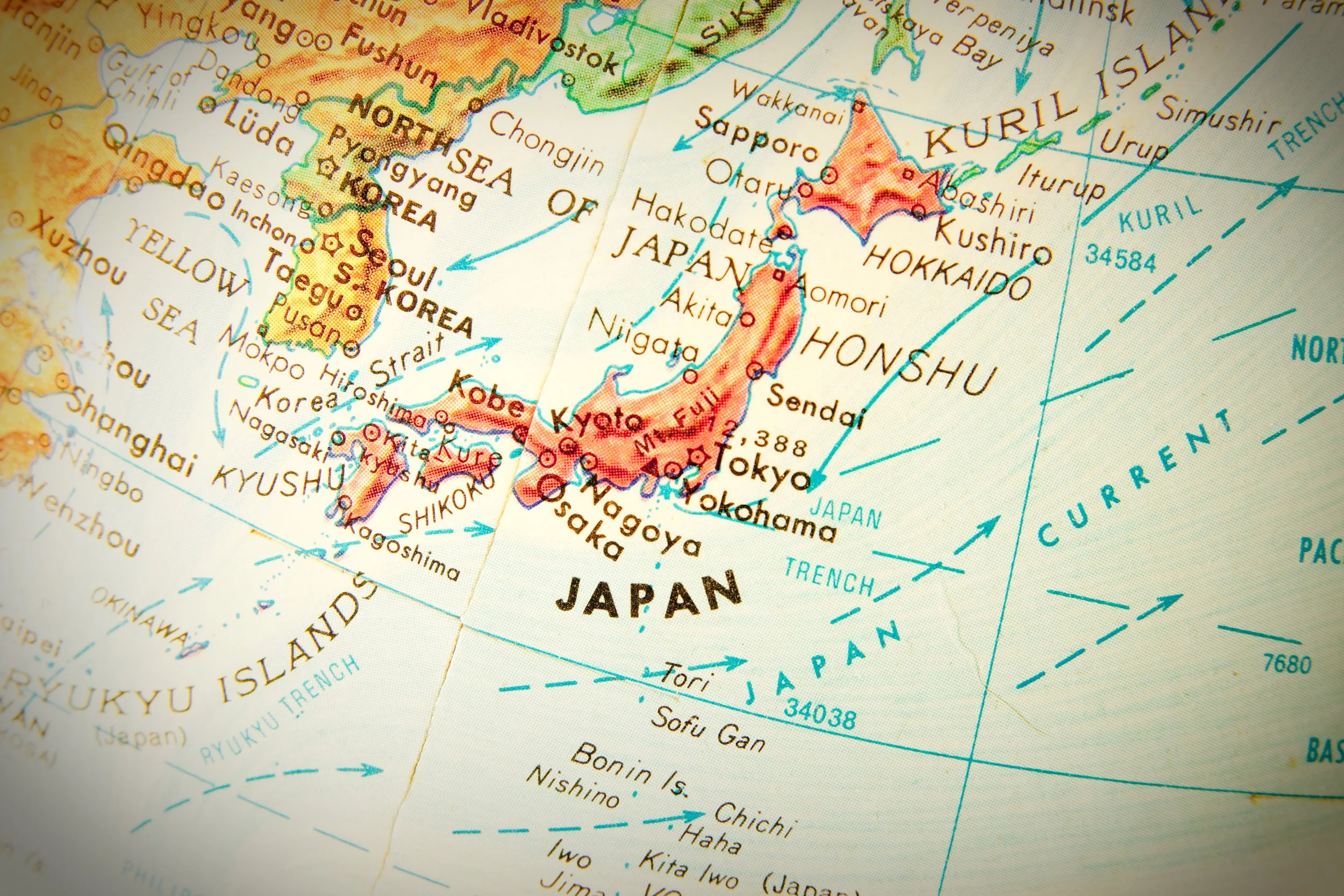
The widely expected Nankai Trough earthquake will likely damage many buildings and roads. A tsunami caused by the earthquake would flood entire districts of Osaka Prefecture. Ground transportation would come to a crawl - if it is possible at all.
At the same time, many severely injured people and trauma patients will require urgent medical care.
The Kobe Earthquake of 1995 Severely Damaged Local Infrastructure


Mitsubishi Logistics Distribution Center in Japan
Local authorities have prepared extensively for this scenario: dedicated Disaster Base Hospitals (DBH) and Medical Depots have been built to withstand earthquakes, and certain critical roads have been elevated above flood levels. But as recent earthquakes have shown, even these roads can fail - and debris and flooded secondary roads will increase the risk of congestion.
CHALLENGE
How can we make sure that medical goods are delivered to hospitals when many more people need urgent treatment - even when roads are blocked or damaged?
LIFESAVER SIMULATION
We simulate how a fleet of trucks, drones and helicopters can efficiently transport medicine from depots to hospitals and make sure that even temperature-controlled emergency blood products reach their destination in time. The simulation considers health infrastructure, road network, reduced ground speed, airspace restrictions, terrain, 365 days of weather and many more data sources. The simulation accurately models the individual capabilities of each transportation mode - for example:
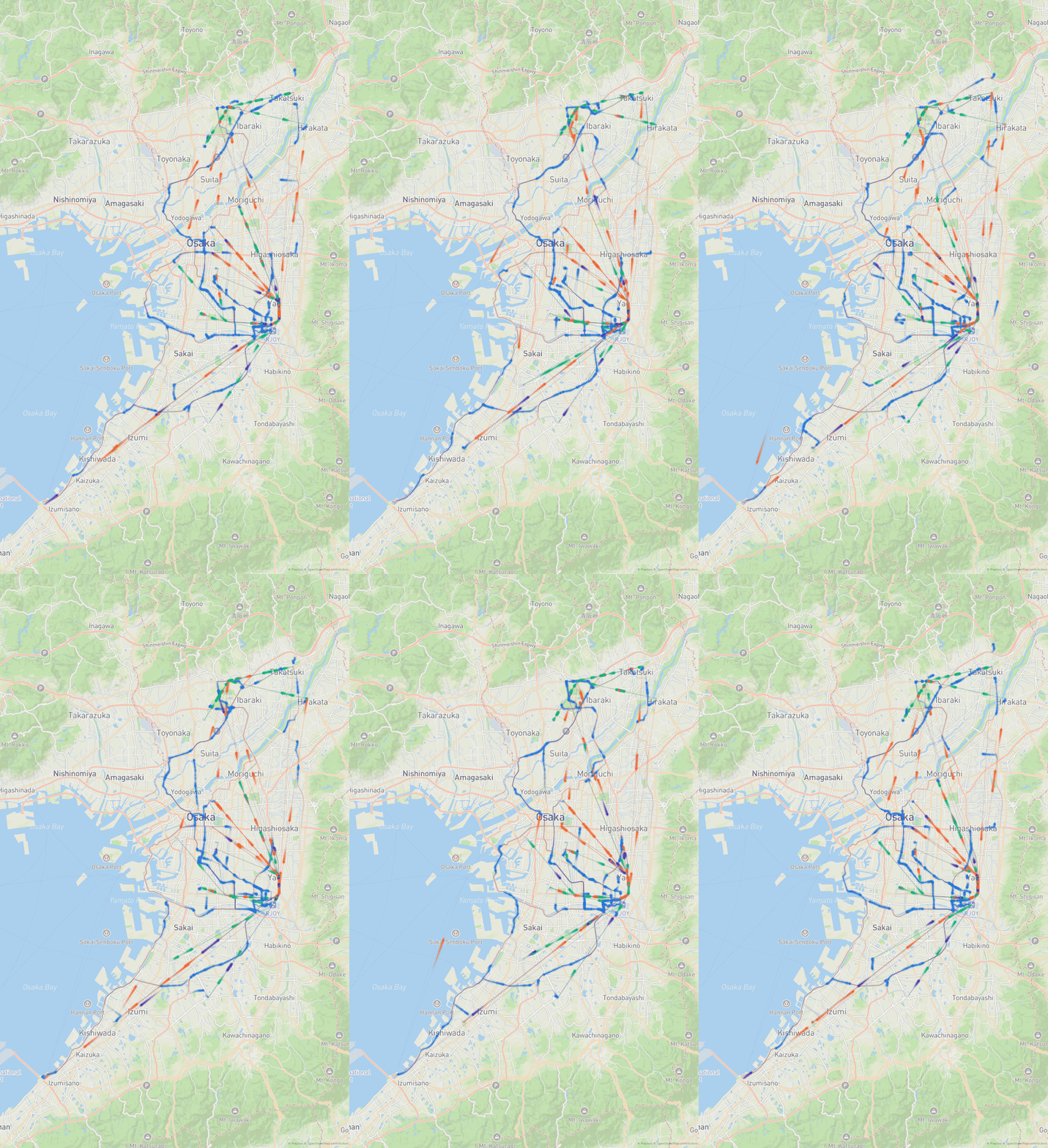
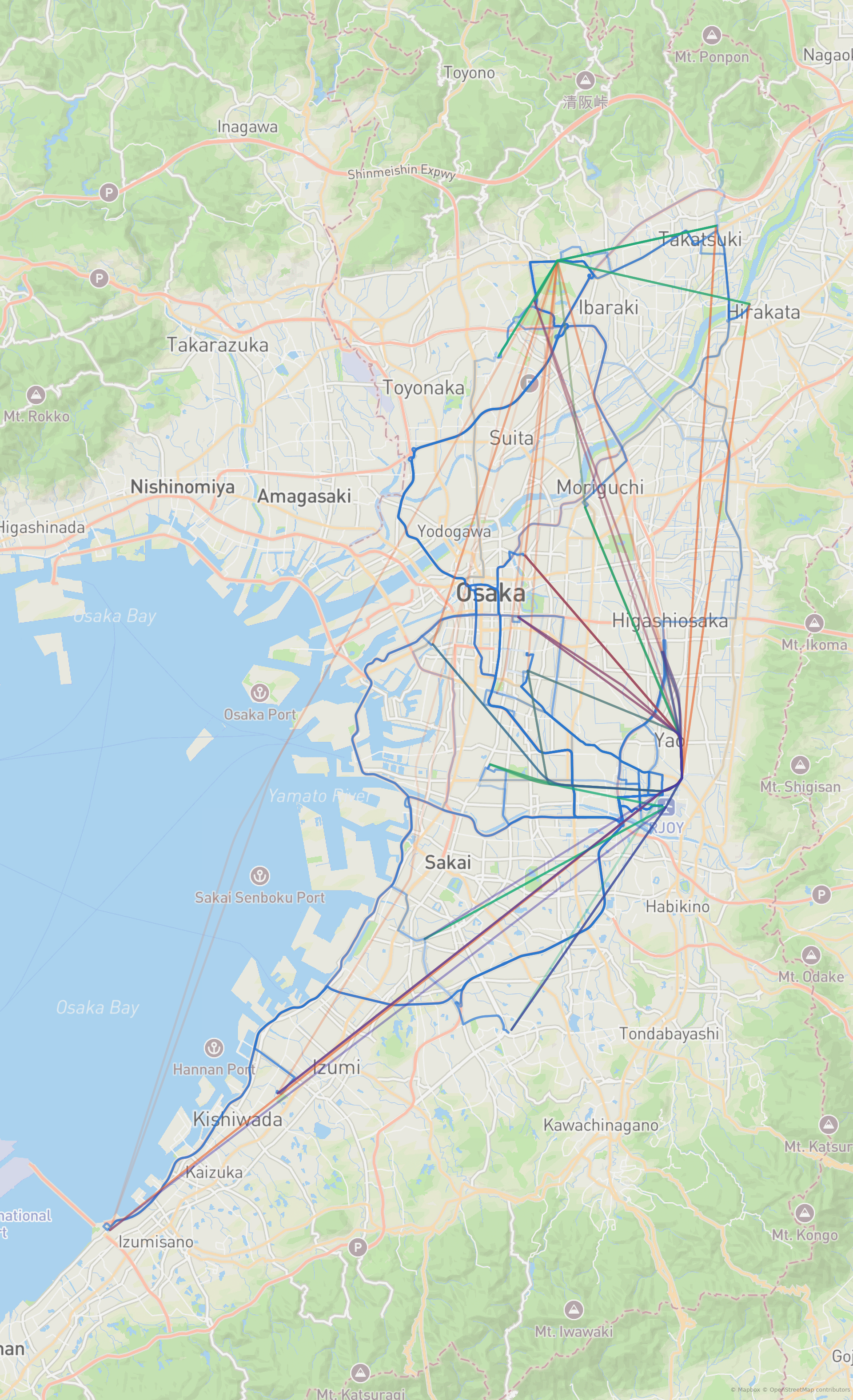
The animation and graphic above show a mixed fleet that is positioned at strategic locations to transport vital medical supplies between warehouses and DBHs in Osaka. Blue tracks are served by road delivery trucks, orange routes are for small transportation drones, green is for new eVTOL aircraft, and red show helicopter routes.
RESULT
Adding air transport options can help to increase supply chain capacity while experiencing challenging road conditions. The strategic positioning of drones can ensure that DBHs will not run out of medical supplies during the first days after an earthquake. Drones and larger aircraft complement the truck fleet and fill critical gaps.